
 Tenant Directory
OPEN MONDAY to FRIDAY 8.30 am - 5 pm 01226 249590

Whitcher Wildlife Ltd is at the forefront of its sector in adopting the latest aerial technology to conduct essential bat surveys – a legal requirement in planning, development and conservation work across many sites.
The company has invested in a DJI Matrice 4TD drone and licensed pilot qualifications for its 12 frontline staff. The specialist equipment and Civil Aviation Authority-endorsed training has been supplied by its partner, The Drone Pilot Academy – both based in The Business Village, Barnsley.
Whitcher’s new airborne technology, with thermal sensors connected to AI-powered digital wildlife imaging systems, is set to almost halve the time it takes the team to track, record and analyse crucial data about bats emerging from roosts on buildings and infrastructure at dusk.
This innovation will enable them to prepare robust evidence-based reports and recommendations more quickly, helping clients to progress building, renovation and demolition work sooner, with all the required mitigations in place to protect wildlife.
Whitcher’s £12,000 investment in drone equipment and training was match-funded by a Productivity and Innovation Grant from Barnsley Council, which The Business Village’s business growth advisors helped the company secure.
Whitcher managing director Mitch Greenhalgh said: “Adding a thermal imaging drone to our toolkit is game-changing. Bat surveys have previously been carried out using ground-based infra-red and thermal cameras, positioned to cover as many different viewpoints as possible and hours of manual video review. Each survey might have involved up to 20 people with bat detectors and clipboards, and several visits to ensure good collection of data.
“But, now one drone can provide so much excellent quality data on our first survey it massively reduces the time and effort we need to put in at ground level – and the quality of tracking and imagery is excellent.
“This tech is not standard as yet in the ecology sector, and it’s thanks to The Drone Pilot Academy’s specialist input and our successful application for grant support that we’ve been able to get in early and get ahead.”
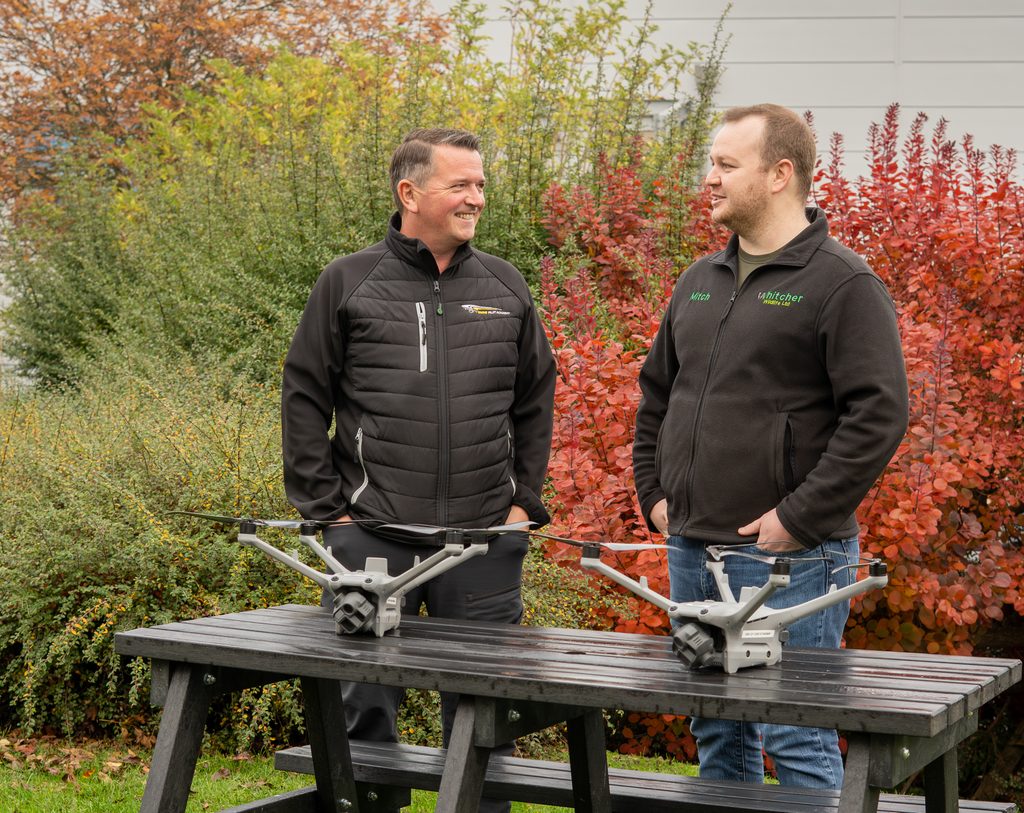
Drone Pilot Academy managing director James Ixer just knocked on the door of Whitcher’s office to start their collaboration.
James said: “We’ve done a lot to reach out to ecologists across the UK in the past two years and enquiries have tripled, making them our biggest growth sector. But it’s been particularly good to connect with Whitcher in the same building as us and deliver a comprehensive package of training and equipment in one sound investment.”
Business development manager at the Business Village Kevin Steel, who helped Whitcher secure their grant, said: “We are here to support the innovation and growth of resident businesses and were very pleased to help Whitcher Wildlife secure funding to bring forward their significant investment in new technology and skills.
“Working together with the Drone Pilot Academy underlines the value of being part of our collaborative business community. Barnsley was named the UK’s first government-backed Tech Town earlier this year and here is a perfect example of two local businesses working together to embrace digital technology and leading the way in their fields.”
Drones use thermal imaging sensors to detect the movement of tiny bats in the dark, hovering at a height of about 20 metres above a building so as not to disturb them from their normal flight behaviour. Paired with the recordings of ultrasound acoustic detectors and smaller team on the ground, their 360-degree viewpoint means they can monitor every nook and cranny which may previously have been missed by limited-reach ground cameras.
Eighteen bat species – including Pipistrelle, Natterer’s, Daubenton’s, Whiskered and Brown Long-Eared – are endangered and legally protected in the UK. Bat surveys aim to identify the location of any roosts on a site and then recommend what measures are needed to ensure they can continue using the buildings and surrounding habitat once a project is complete.
Mitch said: “Demand for ecological consultancy services is growing exponentially in the UK at the moment as the country invests in new infrastructure, transport and housing. Being able to conduct surveys for clients more efficiently and effectively will increase our productivity and mean we can take on more work and grow the business.”
One of Whitcher’s clients, Matrix Consulting Engineers, is also based at the Business Village. They call on Whitcher to conduct wildlife surveys when needed.
Director Liam Hoyland said: “When it comes to bats, we may need their expert services to check derelict buildings earmarked for demolition beside railway lines or any commercial, residential or industrial building with potential roosting cavities. It’s great that we can all get this job done both more thoroughly and more quickly now.”
James added “Whitcher is a pioneer leading the way with drones in the ecology sector. But it is very much a sharing sector as they all care so much about what they do, and we look forward to helping more environmental professionals take flight.”
Whitcher will also use their drone to monitor other wildlife including birds, other mammals and a range of habitat surveys.
